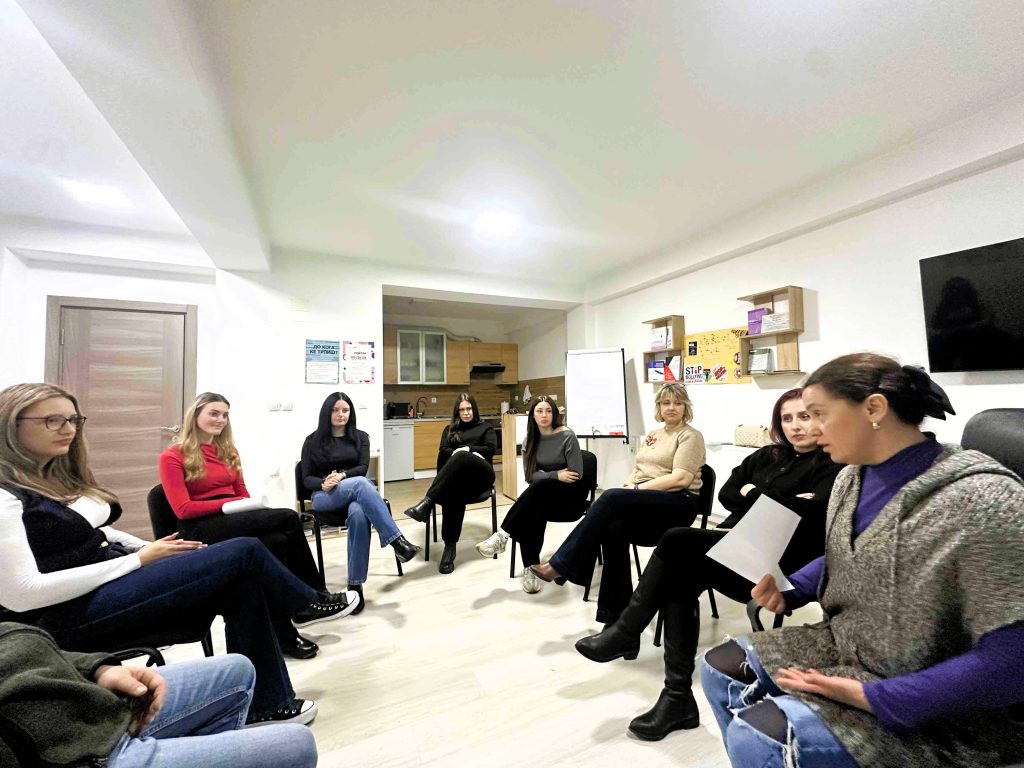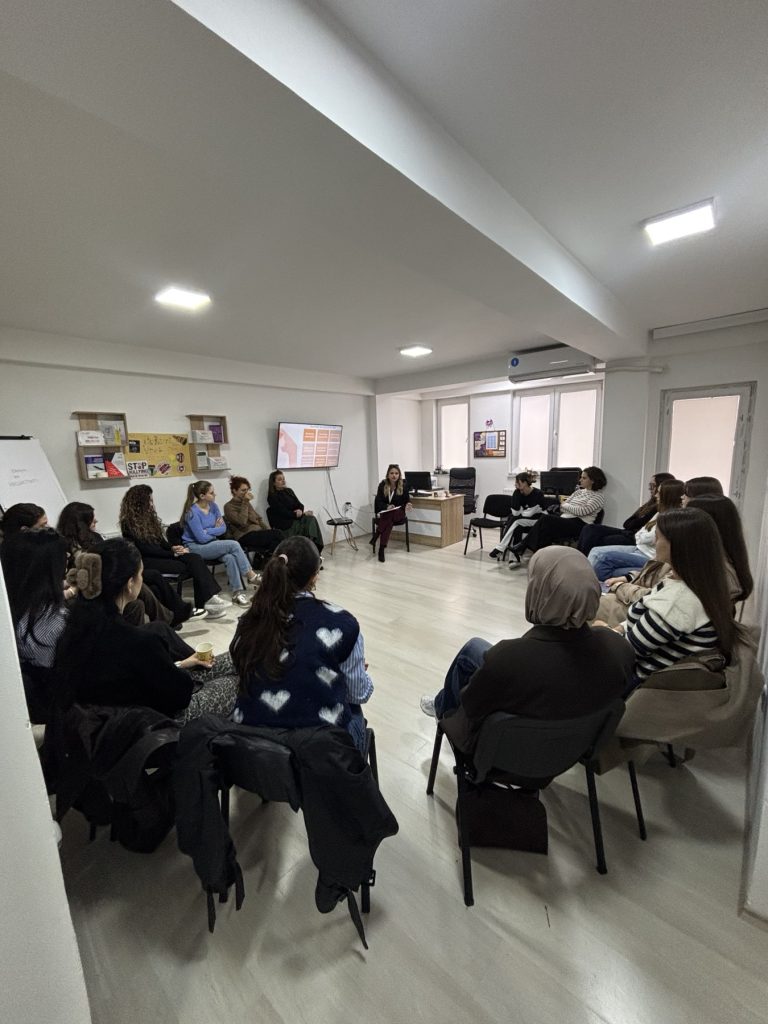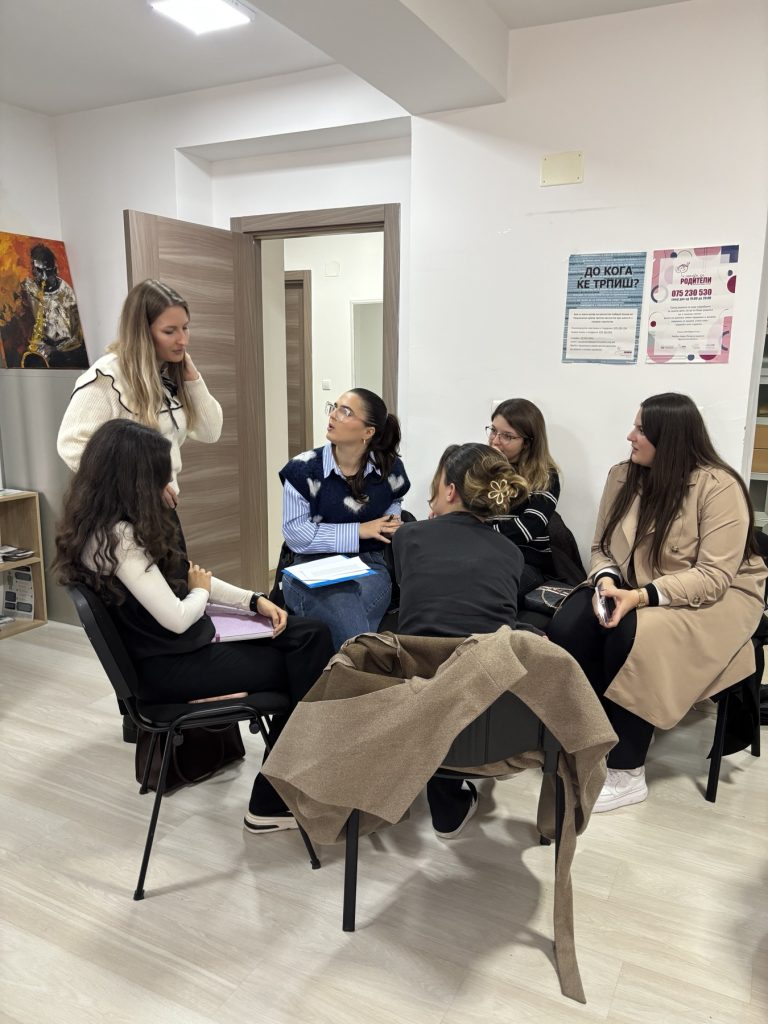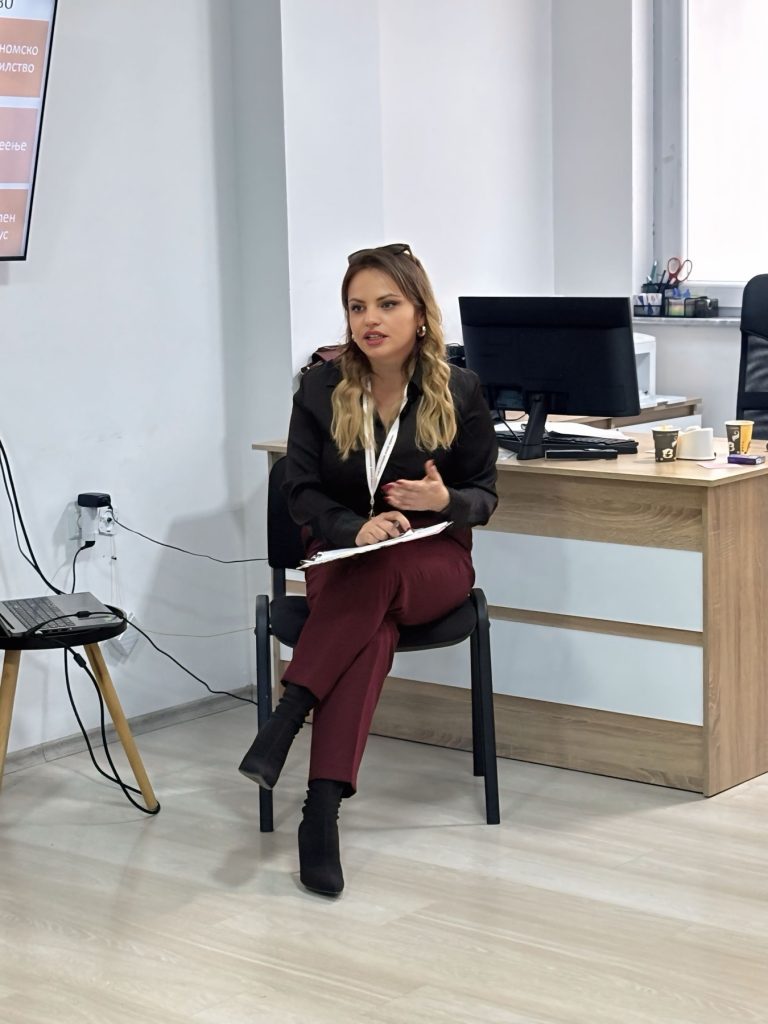
During 2025, the Women’s Support Centers in Skopje and Tetovo evolved into Women’s Hubs and developed as safe and dynamic spaces where women and girls not only received support, but also gained knowledge, skills, encouragement, and room for personal growth. Through educational, experiential, and practical activities, opportunities were created for information-sharing, connection, empowerment, and resilience-building among different groups of participants.
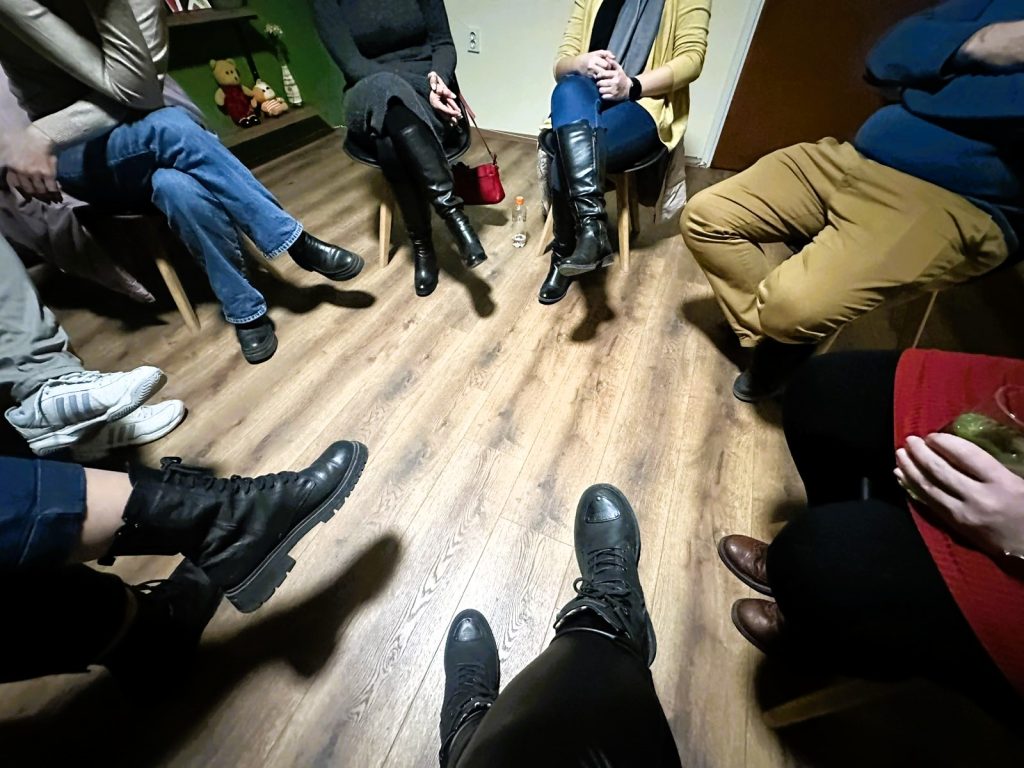
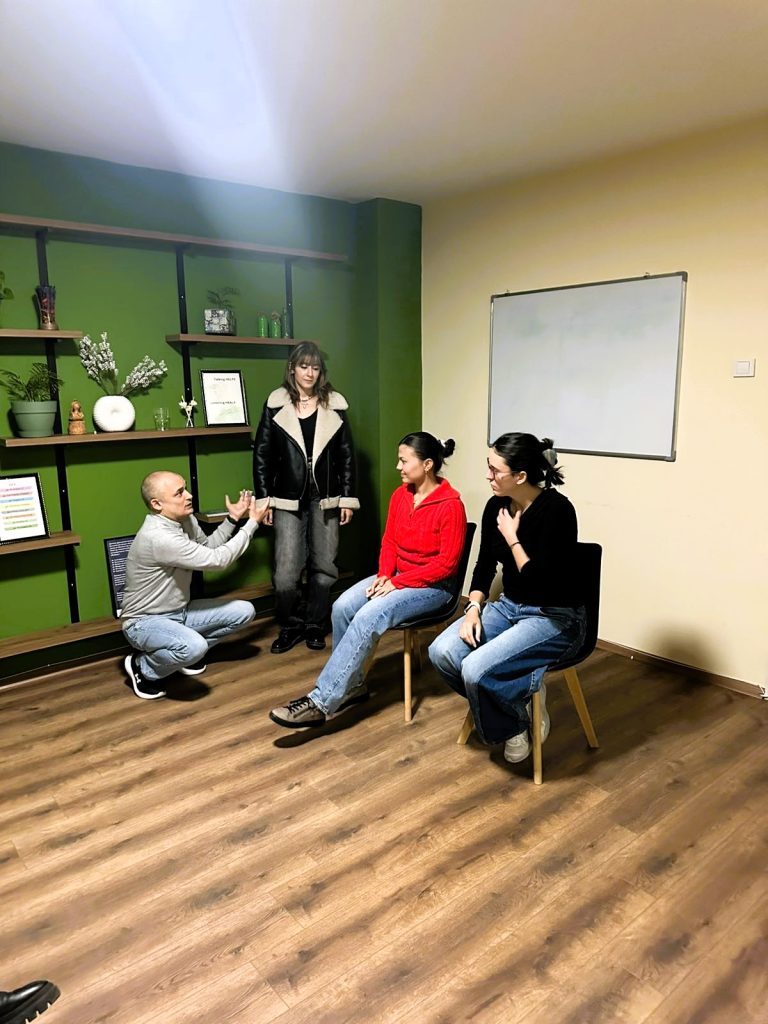
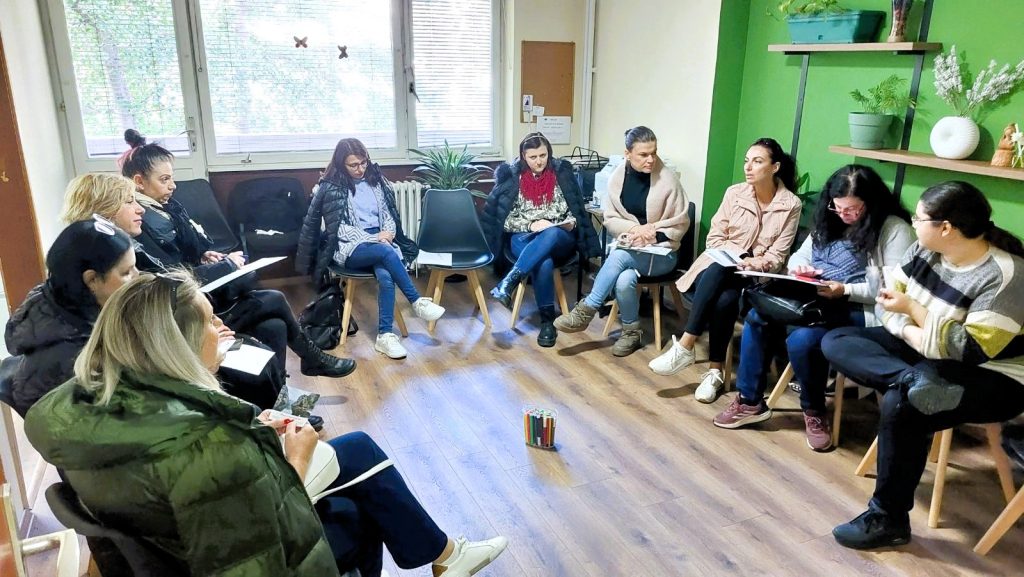
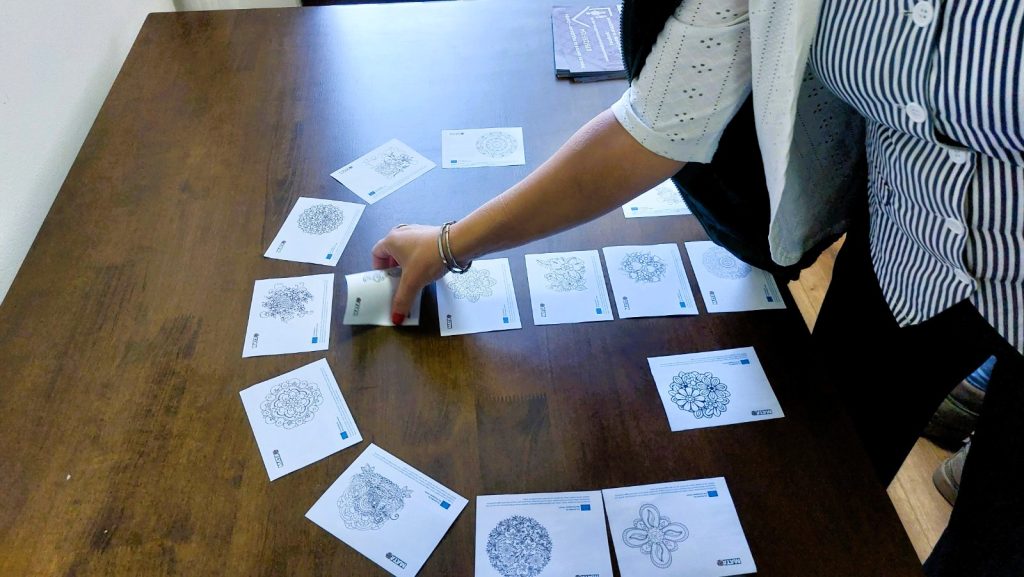
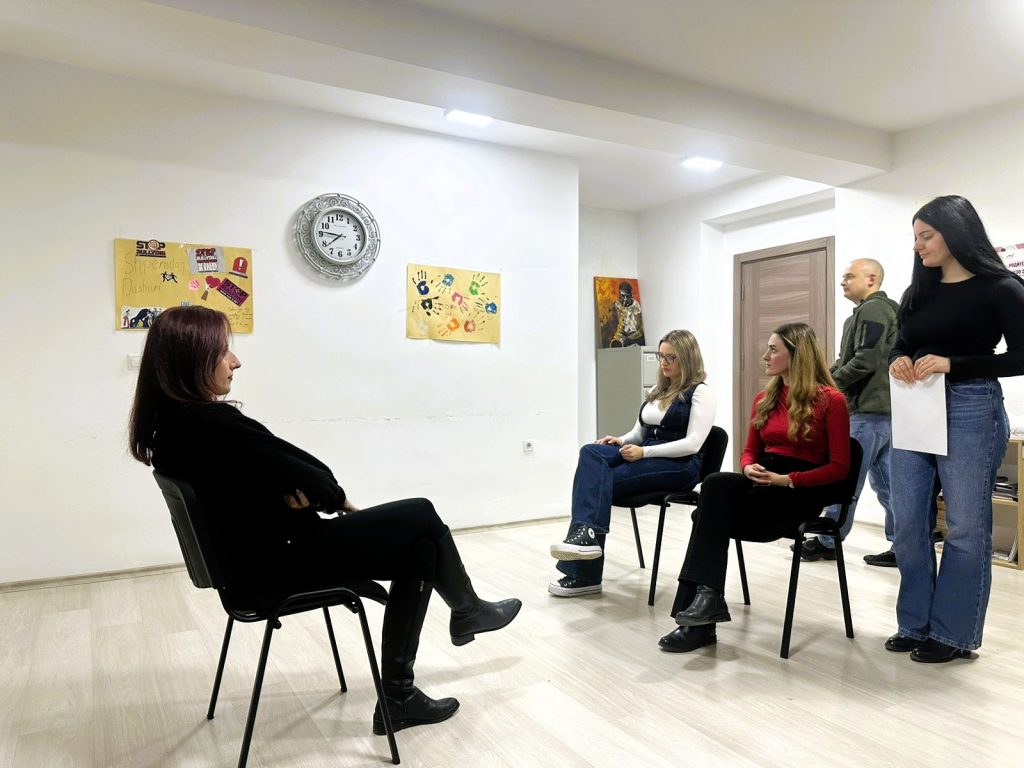
In the period from September 2025 to February 2026, 11 psychodrama workshops for personal growth and development were implemented, involving 67 participants, of whom 52 were women and 15 were men. These workshops created space for deeper personal work through themes such as identity, forgiveness, suppressed emotions, family influences, personal boundaries, relationships, and the pace of life. Through psychodrama techniques, participants worked on increasing self-awareness, emotional expression, personal resilience, and their capacity for personal development.
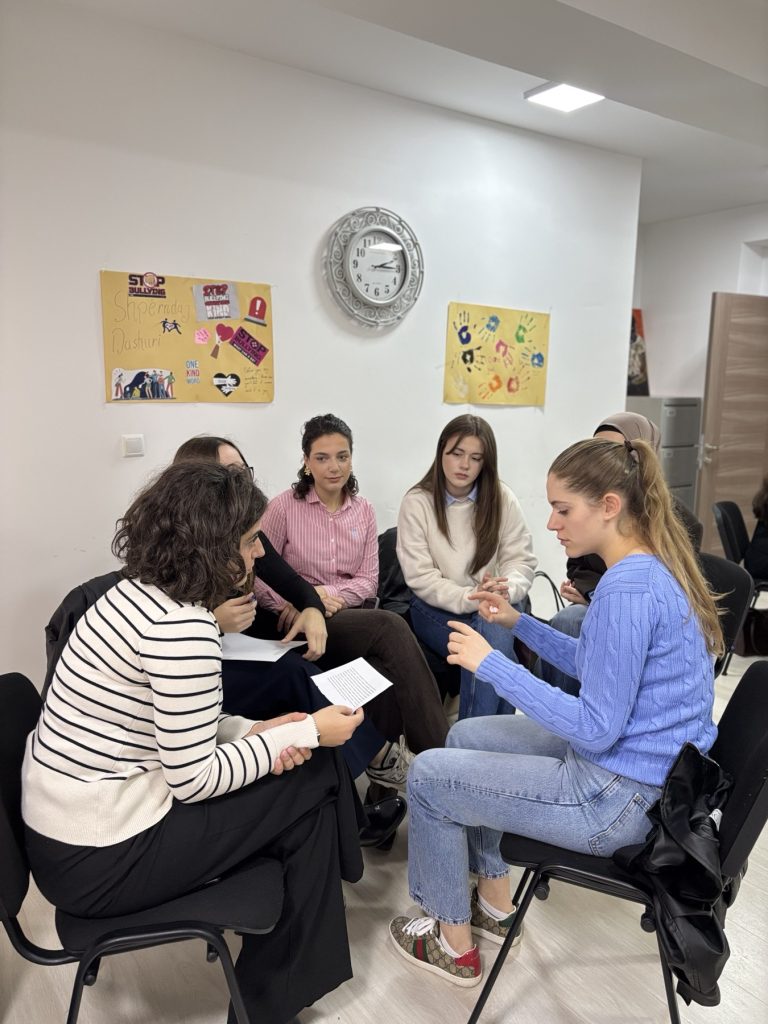
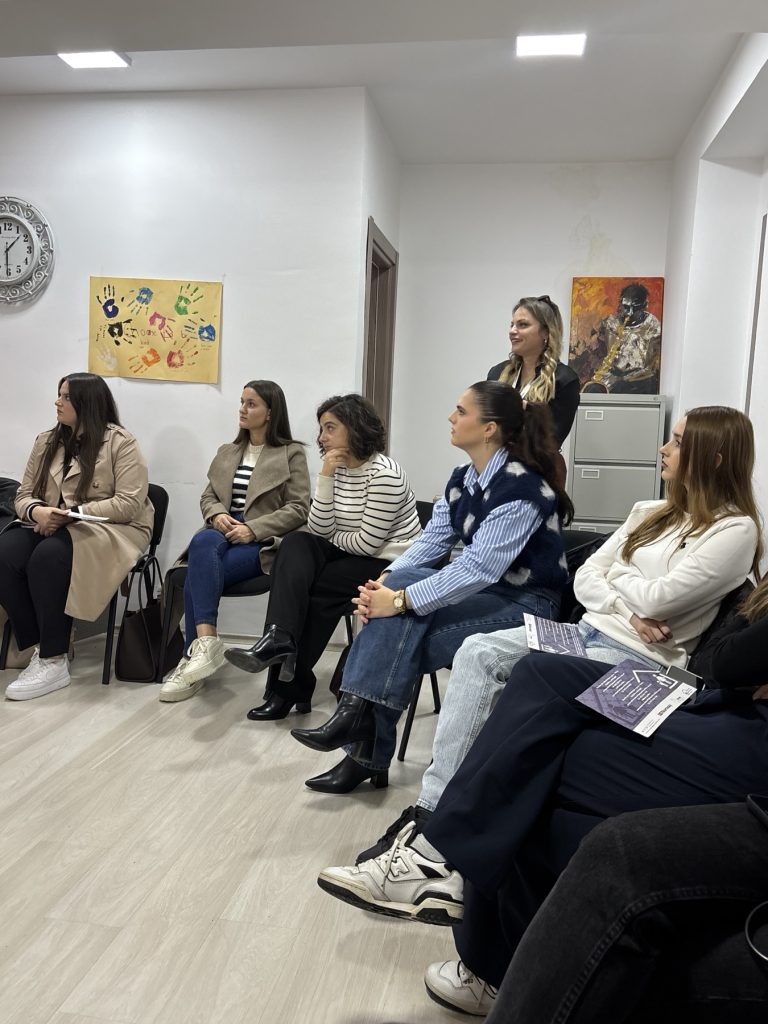
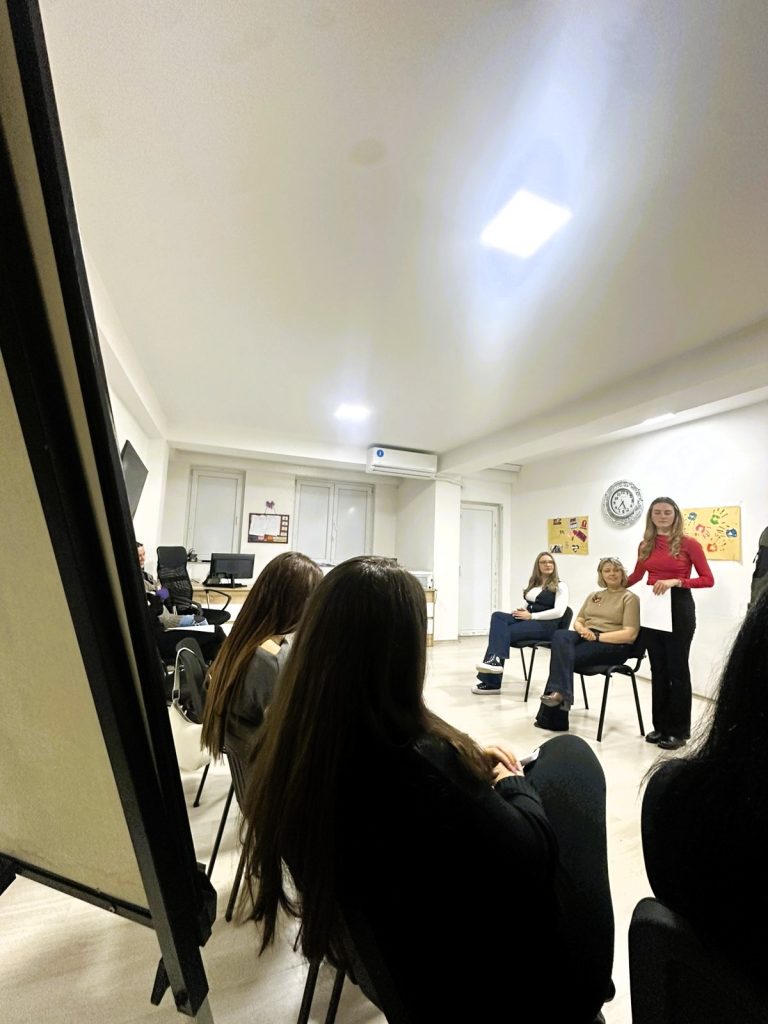
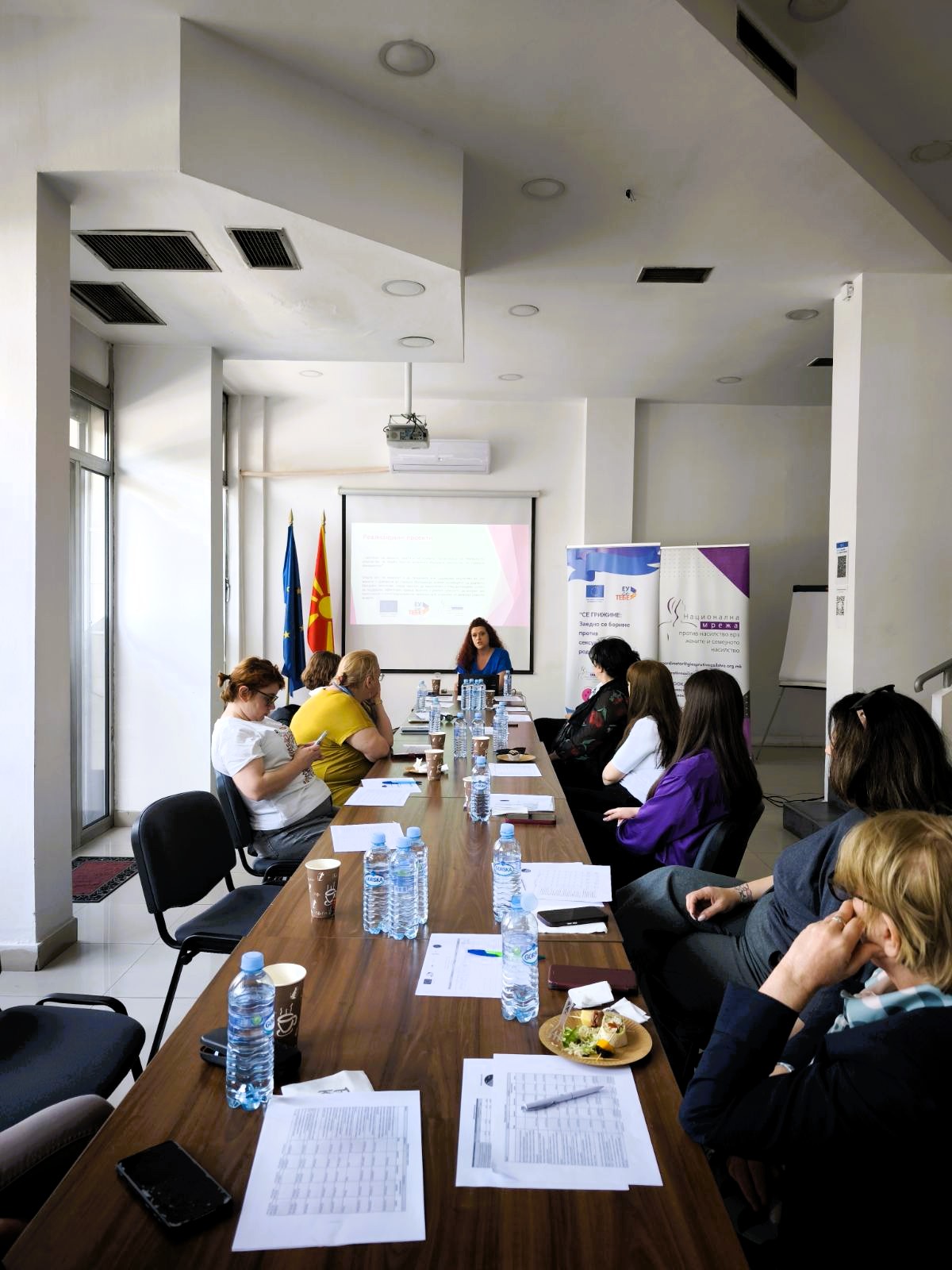
Alongside this, 12 educational workshops on gender-based violence were organized in Macedonian and Albanian, with a total of 120 participants: 68 women, 33 girls, 8 men, and 11 boys. These workshops covered topics related to gender-based violence, sexual violence, the dynamics of violence, (non-)violent relationships, crisis support, women’s rights, and available mechanisms for protection and support. An important aspect of this cycle was that the same themes were adapted and delivered to different audiences and in different local contexts, which enabled broader outreach and greater relevance of the content.
The workshops were intended for different target groups — female and male university students, secondary school students, youth volunteers, girls from small group homes, as well as young women from rural communities. Some of the activities in Tetovo were carried out in Albanian, which enabled greater accessibility and active participation of young Albanian women and other participants from the local community. Out of the total number of participants in the educational workshops, 38 were Albanian women and girls, representing around 30%.
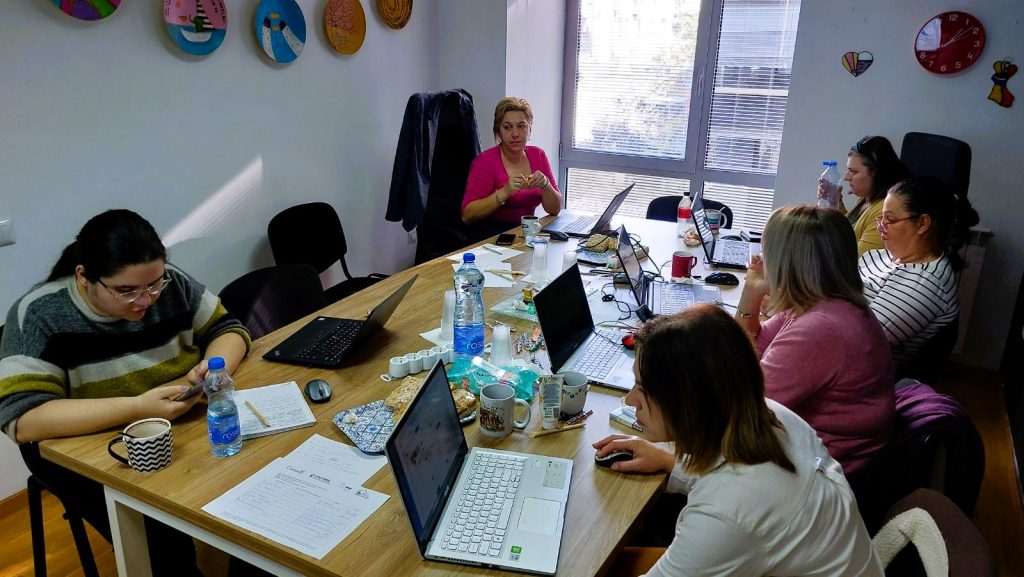
To support economic empowerment and professional development, 5 group workshops on career and professional development were also carried out, with a total of 38 participants, of whom 22 were women and 16 were girls. The topics covered personal development, identifying one’s talents and values, building a digital identity, using digital tools, social entrepreneurship, career orientation, and job preparation. Through these activities, participants worked on their self-confidence, skills for professional self-presentation, and recognition of their own opportunities for growth and employment.
What is particularly significant is that these workshops did not remain only at the level of theoretical information, but created space for practical work, self-reflection, and active participation. The participants were not only listeners, but active contributors in the process — they discussed, analyzed, shared personal experiences, learned how to recognize risks, how to set boundaries, how to seek support, and how to identify their own potential.
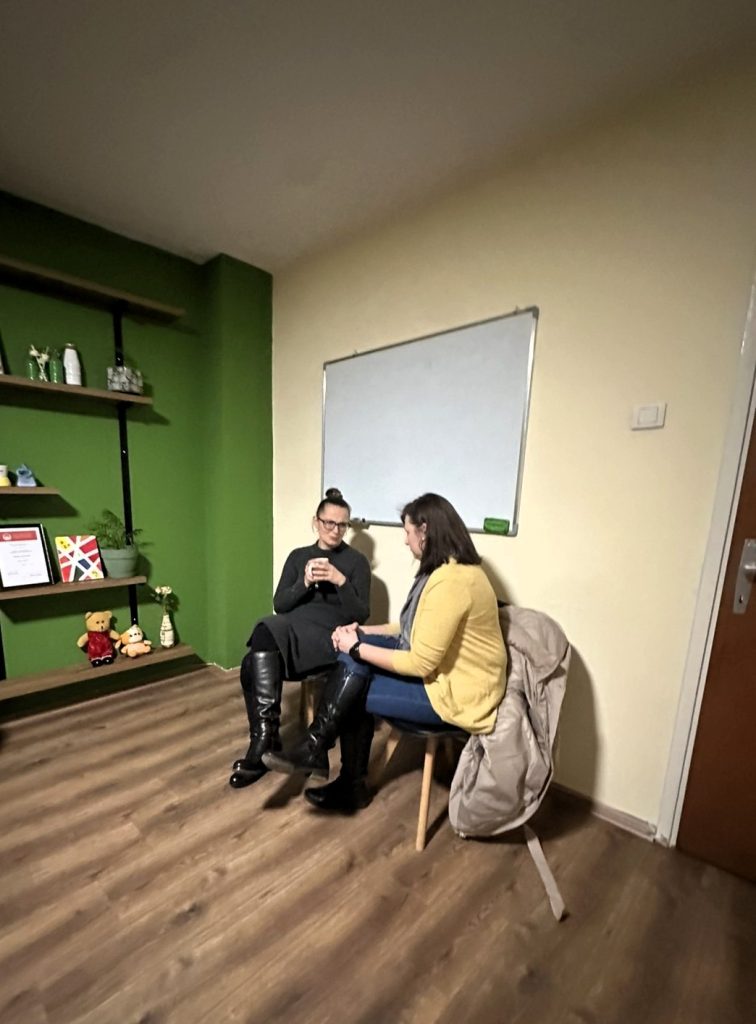
This comprehensive approach contributed to the creation of safe hubs as spaces where women and girls can receive support, gain knowledge, develop new skills, and build greater confidence in themselves and in the possibility of change. In essence, these activities showed that support is strongest when it is at the same time safe, practical, solidaristic, and tailored to the real needs of women and girls.
These activities were implemented within the project “Breaking Barriers, Building Resilience: Safe Hubs for Support and Raising Awareness for Women and Girls,” supported by the Canada Fund for Local Initiatives.