North Macedonia has made significant strides in the fight against femicide, becoming the first country in the Western Balkans to criminalize the killing of women in the context of gender-based violence. Despite these advances, the implementation of the new legal framework remains a challenge.
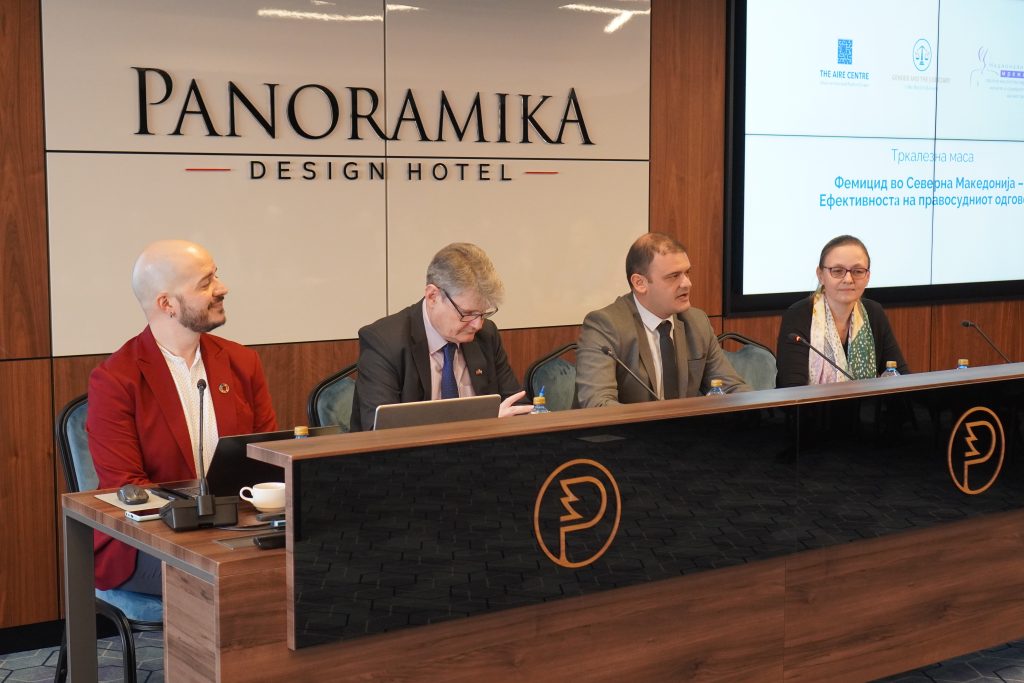
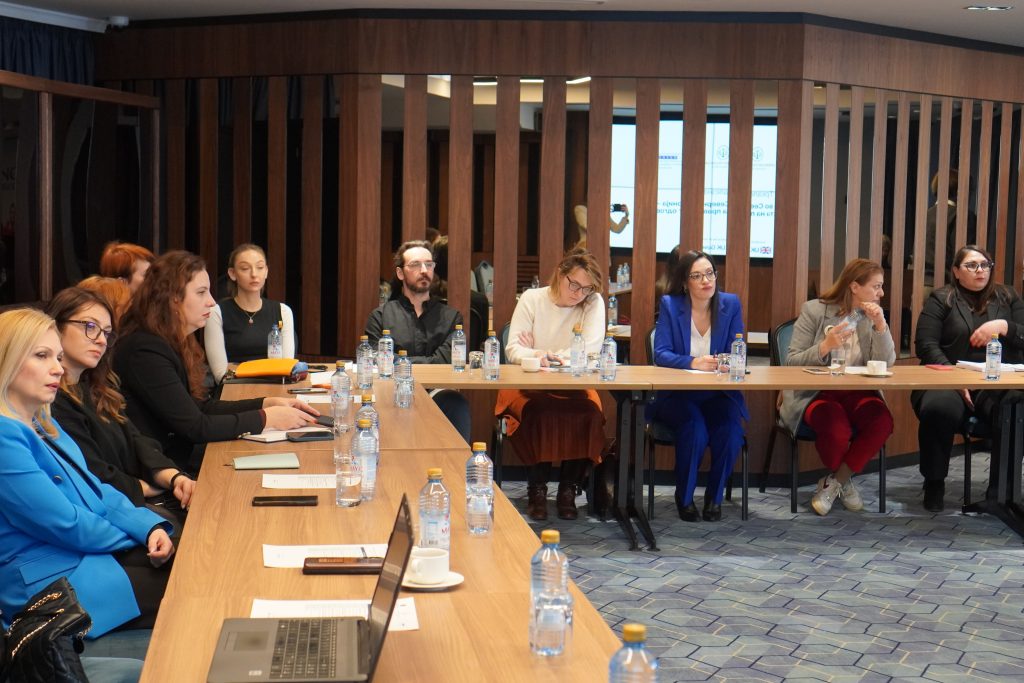
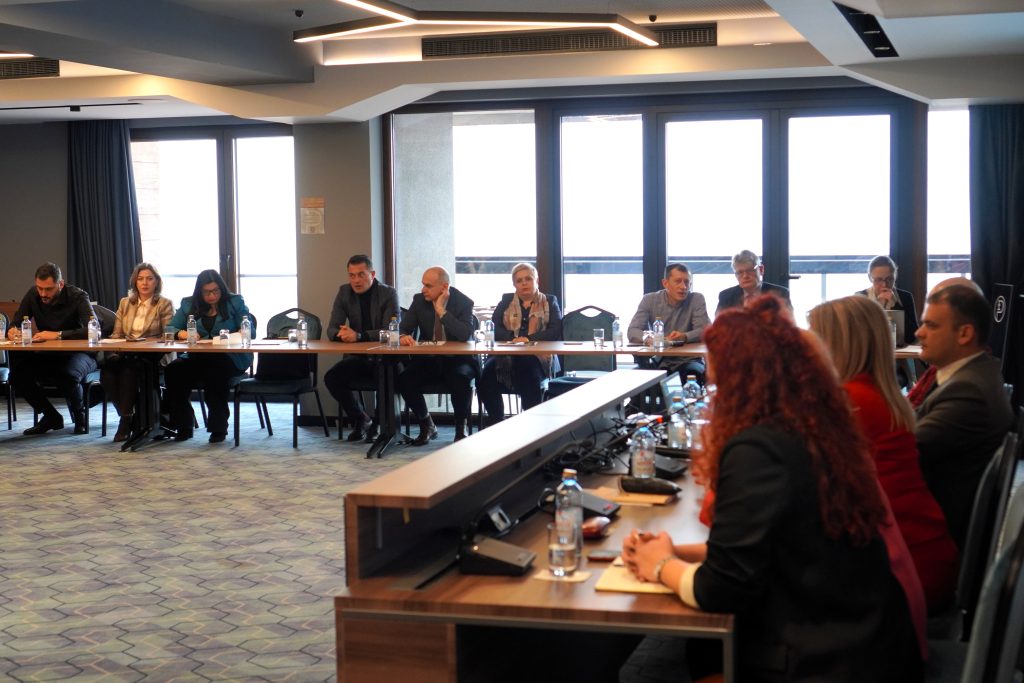
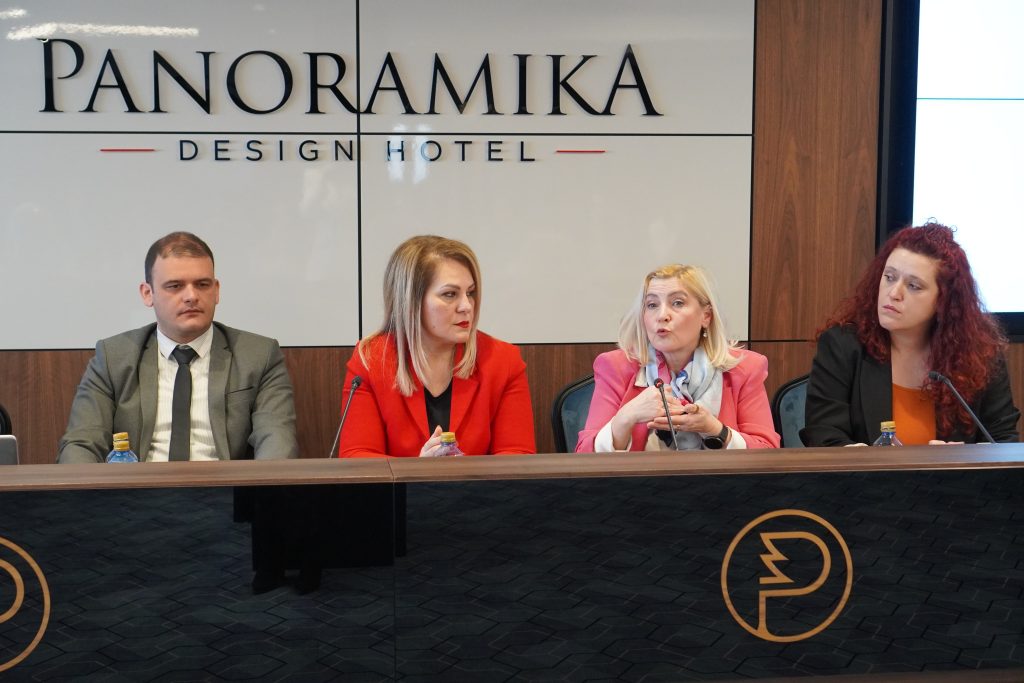
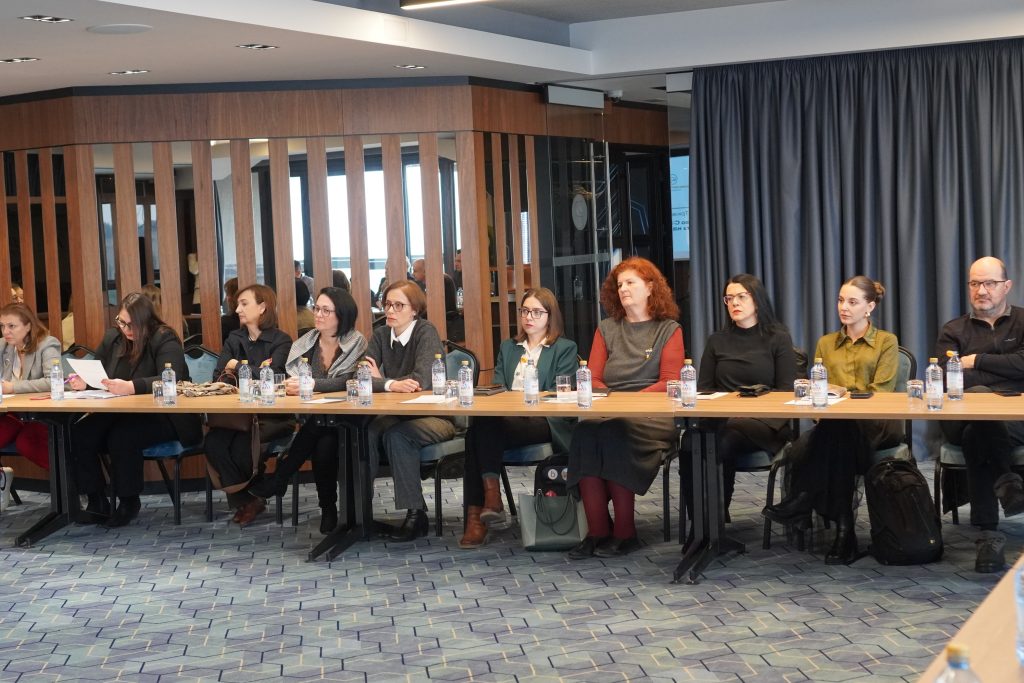
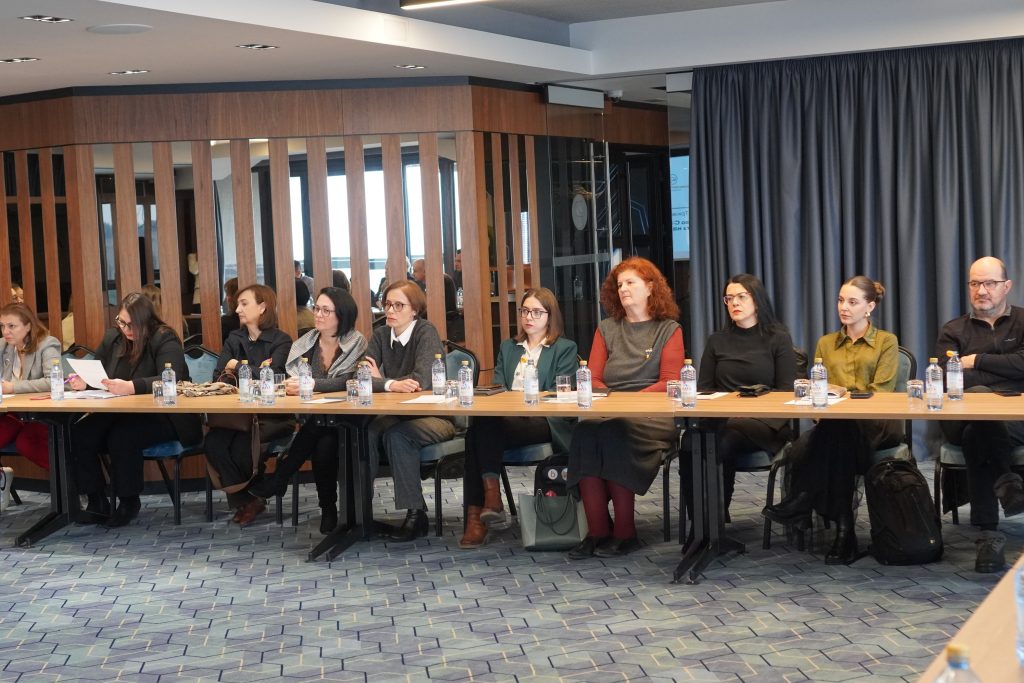
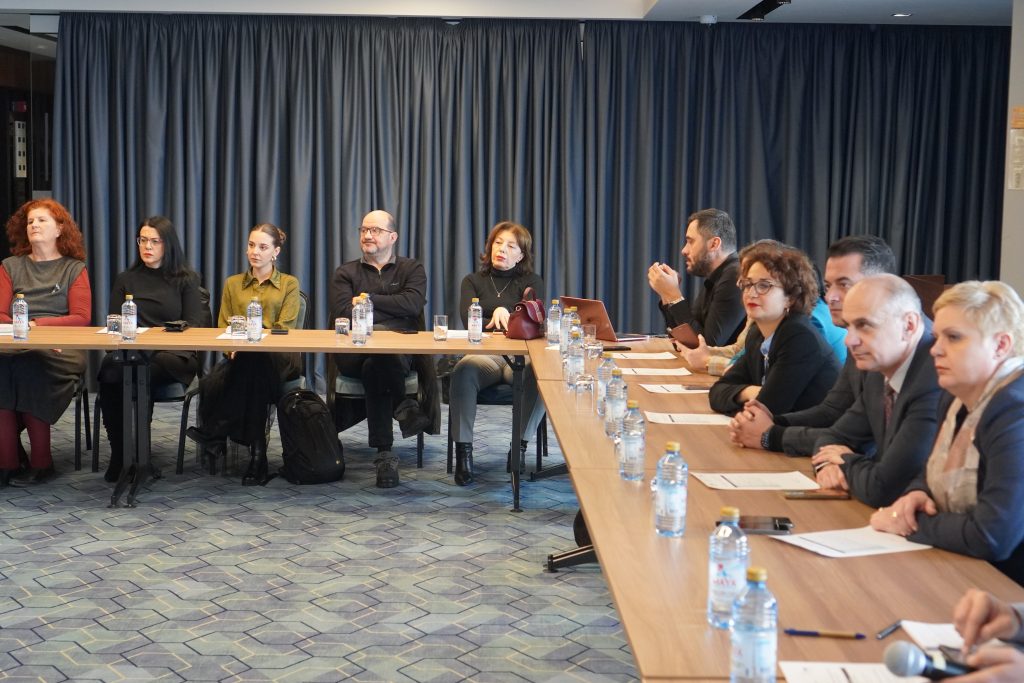
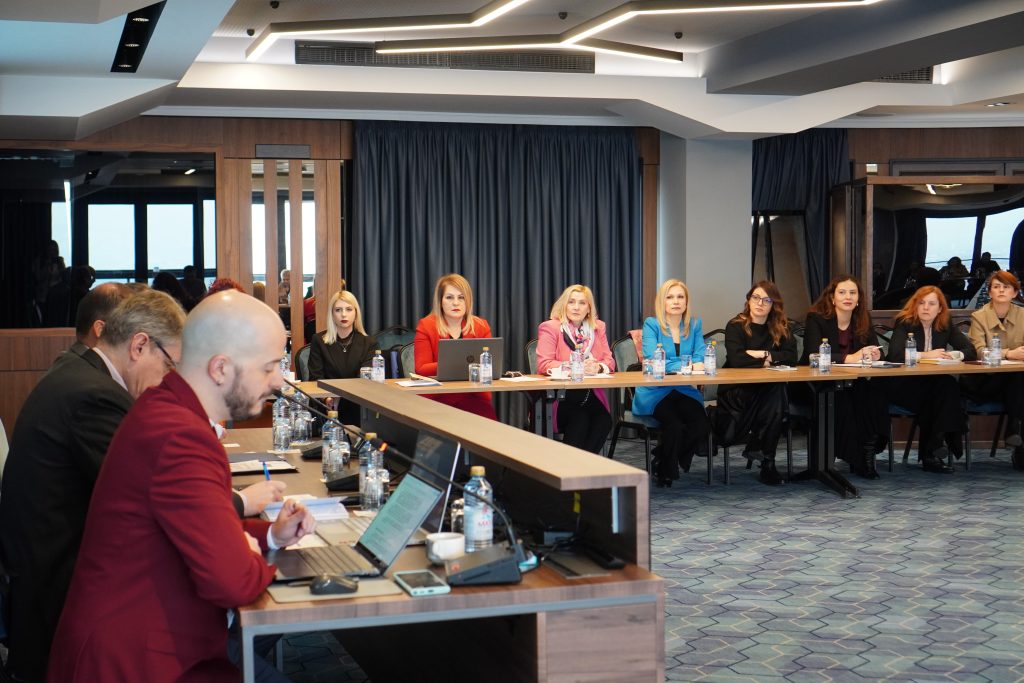
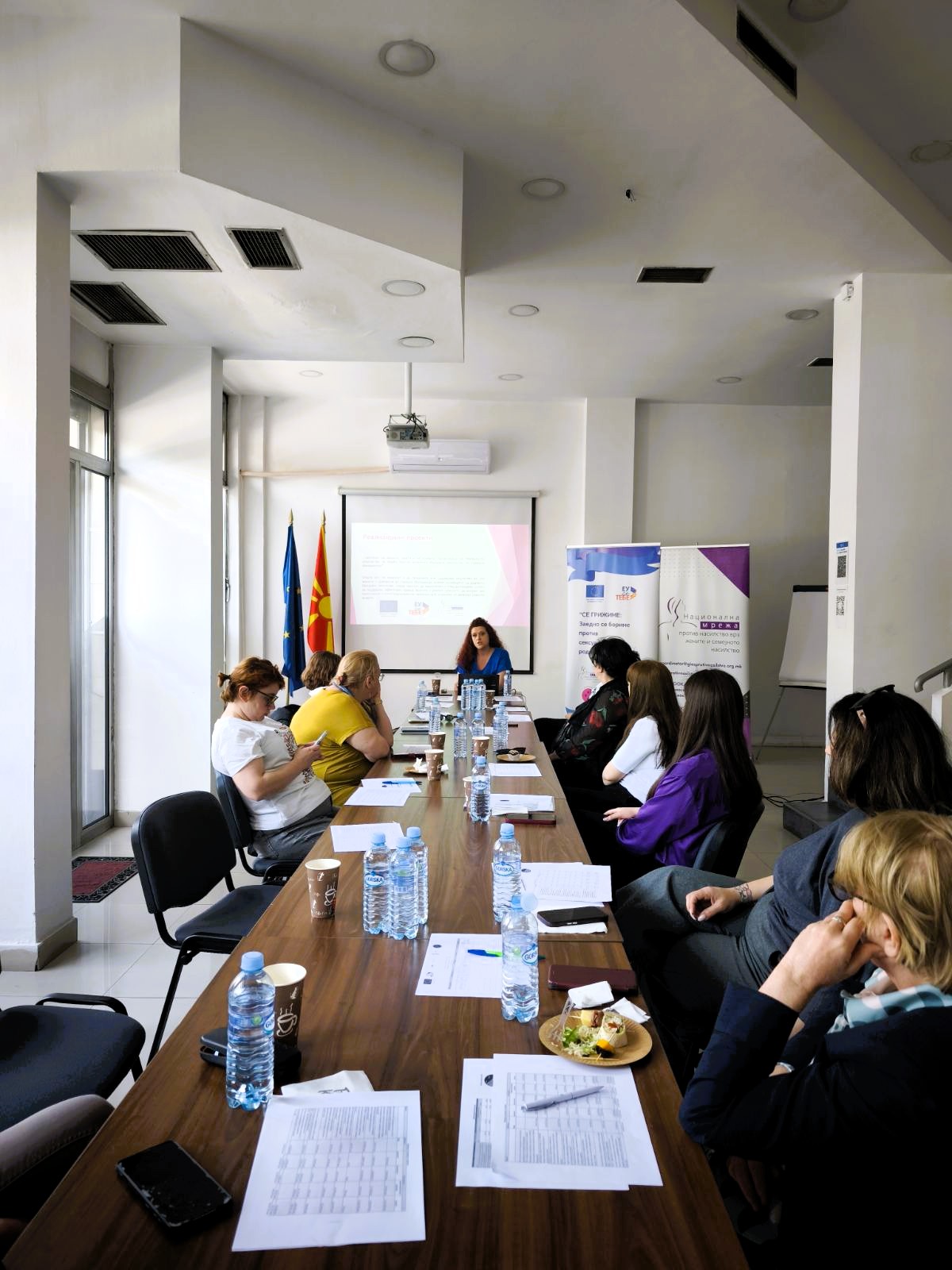
This issue was the topic of the roundtable “Femicide in North Macedonia — The Effectiveness of the Judicial Response”, organized by the AIRE Center and the National Network Against Violence Against Women and Domestic Violence, with the support of the Government of the United Kingdom and Northern Ireland. The event took place on 12th of February and was attended by more than 30 participants from judicial and legislative institutions, international and civil society organizations, academic institutions, and experts in the field of human rights and gender equality.
Deputy Minister of Justice, Alen Dereban, opened the event by noting that while North Macedonia has made important steps by criminalizing femicide, the real challenge lies in implementing these legal provisions. Sabina Gjapo, Program Manager of the AIRE Center for the Western Balkans, stressed the importance of continued dialogue and cooperation to effectively address femicide.
“The establishment of Femicide Watch is a powerful step forward, which strengthens us, as civil society organizations working on this important issue. It will provide tools to relevant institutions to identify and fill the gaps in the system for preventing and combating violence against women and domestic violence. By working together and developing effective solutions, we can overcome these challenges and move closer to our ultimate goal: achieving zero tolerance for violence against women and ensuring zero femicide in the future,” explained Elena Dimusevska, Executive Director of the National Network.
Judge Gabriela Gajdova also addressed the issue, emphasizing the need for courts to take a more serious approach to femicide when assessing evidence and imposing sentences. Prosecutor Spasenka Andonova, in turn, emphasized the key role of prosecutors in investigating and prosecuting femicide cases, as well as in preventing such acts through early intervention and systemic improvements.